ABOUT US
OUR JOURNEY
Addiction Treatment Strategies, LLC was established in 2011 in the state of Illinois and was established to meet the needs of people with addiction using a one-of-a-kind, scientifically based approach to treatment and recovery. However, assembling and synthesizing the components of the ATS model began in 2000 with the purpose of designing a comprehensive intervention strategy.
The ATS model was developed to address the neurological deficits described in the AMA definition of addiction, including what is known about growth and development on neuronal structures, address the known structures involved in addiction, account for what is known about the science of memory processing, and draw from the most appropriate elements of applicable therapeutic approaches.
In 2018, ATS hosted and participated in a roundtable discussion of the Opioid epidemic and methods to combat the crisis. The event was attended by local, state, and federal officials. The ATS Model was presented and discussed, and following the event, Mr. Crum was lauded for his cutting-edge approach and was told his model was “20 years ahead of the curve.”
Today, we continue to follow the scientific and medical breakthroughs, refining as we go to ensure our approach continues to provide the most scientifically and medically current and relevant best-practice approaches for our patients.
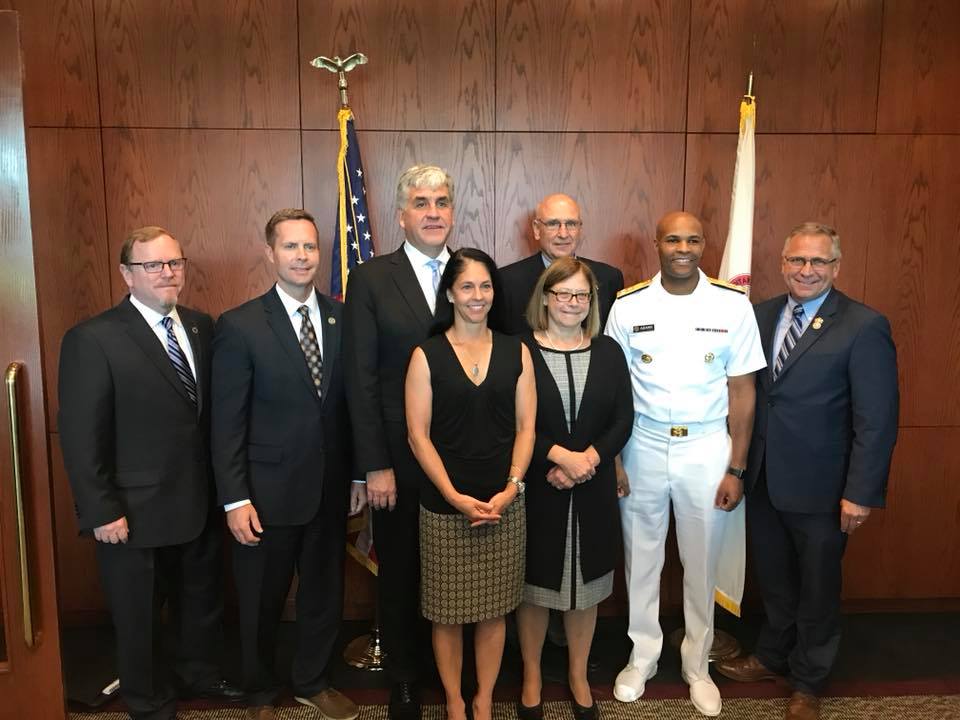
2018 Opioid Roundtable: Pictured back row left to right are: Rep. Rodney Davis, R-Taylorville; Deputy Secretary Eric Hargan, U.S. Department of Health and Human Services; John Crum, Founder of Addiction Treatment Strategies; U.S. Surgeon General Jerome Adams; and Rep. Mike Bost, R-Murphysboro. Front row left to right: Kari Karidis, Parent & Educator; Elinore McCance-Katz, Substance Abuse and Mental Health Services Administration;
OUR MISSION: EDUCATE. MENTOR. REINFORCE.
Our mission at Addiction Treatment Strategies is to approach your recovery by educating, mentoring, and reinforcing during every stage and phase of your journey to health and stability. Our mission was established, in part, based on the 1966 AMA definition of addiction as a “chronic relapsing disease in which the structure and function of the brain has changed; characterized by cravings, compulsions, and continued use despite the consequences.”
At ATS, we teach people how to become stable and healthy, knowing that addiction is a medical dilemma, not a moral flaw. We have moved beyond the generic use of cognitive behavioral therapy (CBT) as simply a term referring to any type of clinical intervention strategy that uses logic in treatment. We have created our own unparalleled approach to CBT. During treatment, we teach conceptual and contextual learning strategies that support the ATS model.
ATS is different in that we educate, mentor, and reinforce unrivaled, innovative strategies that have been proven to assist in rewiring the brain and retraining the mind in fostering addiction management. We give you the tools, show you how to use them, and evaluate your progress. At ATS, we take a PRACTICAL & FUNCTIONAL approach to addiction.
OUR PHILOSOPHY:
Our philosophy informs and governs our approach to treatment. We have developed a scientific approach to addiction that addresses the known structural changes and resulting behavioral manifestations these create based on the knowledge, belief, and understanding that:
- Terminology and Perspective matter. Addict is a term first used in 1529, and this derogatory term is still used today despite medical advances in this area of study. Addiction is a disease as defined by Stedman’s Medical Dictionary. It is a medical dilemma, not a moral flaw, and individuals are impacted differently by the medical condition of addiction. It occurs on a continuum with varying levels of negative impact on the person and families, and people move up and down with varying degrees of use. Both genetic and epigenetic factors play a role in the continuum of addiction.
- Addiction is a neurobiological disease. We know that addiction has at its roots the inability of the prefrontal cortex to exert inhibitory control processes in behaviors related to substance use disorder, and we recognize that an addiction is a neurobiological disease process in which the structure and function of the brain have changed. We know that cells migrate and form new neuronal connections. The use of substances affects both the direction and structure of the dynamic brain. These changes are the result of the impact substances/behaviors have on the individual. We know that memory processing of encoding, consolidation, retrieval, and forgetting plays a significant role in the impact addiction has on individuals. Without neurological memory, there would be no addiction. Our approach is grounded in the science of the known relationships between structures and pathways within the brain that have been documented in scientific journals to be involved in substance use.
- Addiction is a chronic disease that can be managed. We recognize that an addiction is a chronic disease that can be managed but not cured, and in which relapse is likely to occur. Consequently, the goal is not TREATMENT towards a cure in the usual medical sense of infection. The goal is to treat and teach the patient to MANAGE their addiction much like the diseases of hypertension and diabetes.
- You must learn to manage your Addiction in a real-life setting. We recognize the disease process occurs in a social setting; therefore, effective and sustained MANAGEMENT must occur in the environment in which the person lives and not in isolation from a Rehab facility or in a hospital. We know stress plays a role in fostering an addiction.
- Individualized Addiction Treatment Strategies are important. We recognize the importance of individualized treatment strategies to address underlying mental health issues in addition to the manifestations of an addiction. We know age of onset, frequency of use, duration of use, and the specific substance(s) have an impact on the neurobiology of the brain and the subsequent behavioral manifestations in individuals.
MEET OUR TEAM. WE HELP SAVE LIVES.
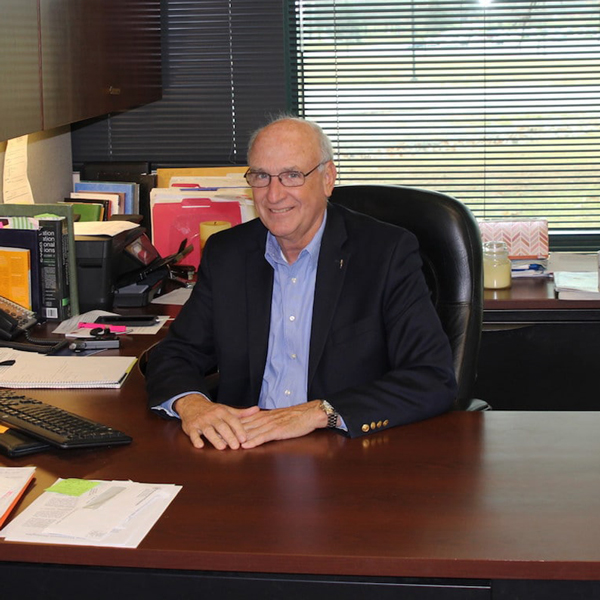
John P. Crum, LCPC
Program Director
Graduated from SIUC in 1969 and has been working in the behavioral science field for 45 years. Mr. Crum initiated his career as a psychologist at the Jacksonville State Hospital, where he worked with patients on an adolescent unit that presented a variety of complaints, including substance abuse.
John was later employed as the Clinical Director for Brown County Mental Health Center and the Mental Health Authority for West Central Illinois, where he supervised clinical programs for a six-county area. He became Director of Counseling at Provident Counseling in St. Louis and later Chief Professional Officer at ARCA. He has always been involved in innovative programming to assess and treat patients who have been presented with complex clinical symptoms. He is currently the Program Director and founder of ATS, which has offices in Edwardsville, IL.
Mr. Crum has created a scientifically based Cognitive Behavioral Intervention strategy that addresses the complex issues involved in addictions. He provides clinical intervention to patients and family members in both group and individual settings. Treatment protocols involve learning and applying Cognitive Behavioral techniques to assist in problem-solving and impulse control.
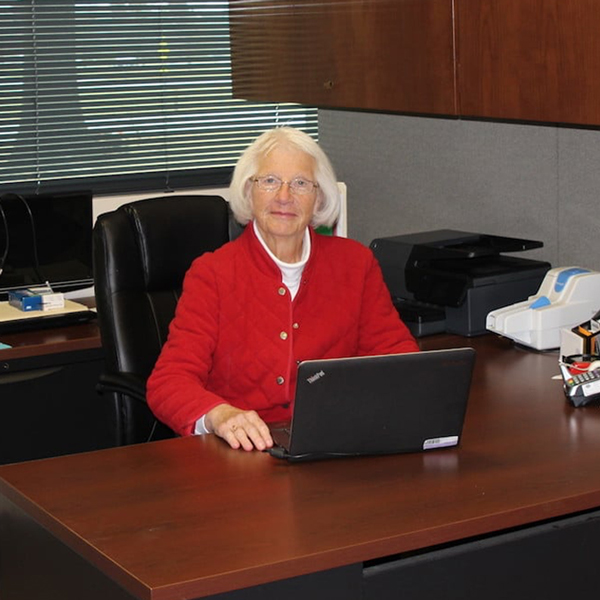
Carole Crum
Financial Director
Graduated from SIUC with a Bachelor of Science Degree in Education, WIU Macomb with an Ed Specialist Degree, and a Master of Science in School Administration. Carole has 40 years working in the field of education as a teacher, principal, and superintendent.
Since 2010, Carole has been working with John Crum in addiction treatment. She assists patients in making claims to their insurance companies for treatment, as well as conducts monthly billing. Carole works with patients to develop budget plans, which help them to effectively manage their treatment costs as well as other monthly expenses.